The Safety You Don't See: Why Malta's Temperature Calibration Breakthrough Matters
The fridge door opens. A bottle of milk comes out. Later that day, a prescribed medicine is picked up from the pharmacy. Nothing unusual. Nothing questioned. For most of us, these are routine moments built on a simple assumption: this is safe. But that confidence doesn't begin in the supermarket or at the pharmacy counter. It begins much earlier, in a chain of systems designed to ensure that products are handled, stored and transported under the right conditions [1].
At the heart of that chain is something most people never consider: whether temperature is being measured correctly. Because it's not enough for something to be "kept cold" or "within range". What matters is whether the temperature recorded is accurate. And that is where the real risk lies [1].
A Problem You Can't See
A product can look perfectly fine yet have been exposed to conditions outside the required temperature limits. A medicine can sit on a shelf unchanged but no longer perform as it should. This failure is rarely visible, and that is precisely what makes it dangerous [1].
Temperature-sensitive products like dairy, fresh food, vaccines and medicines depend on staying within strict ranges starting from their production right through to consumption. Even small deviations can have detrimental consequences, like bacteria growth in food, or loss of potency in medicines [1]. The real risk lies not only in temperature fluctuations, but in inaccurate readings. Behind every temperature check is a device, and over time, every device can drift. A sensor that is slightly off will still display a number but not necessarily the correct one. When that happens, entire systems can appear compliant while operating outside safe limits [1].
"Trust is not accidental. It is built through systems that work quietly in the background." [1]
Calibration: Where Consumer Protection Actually Begins
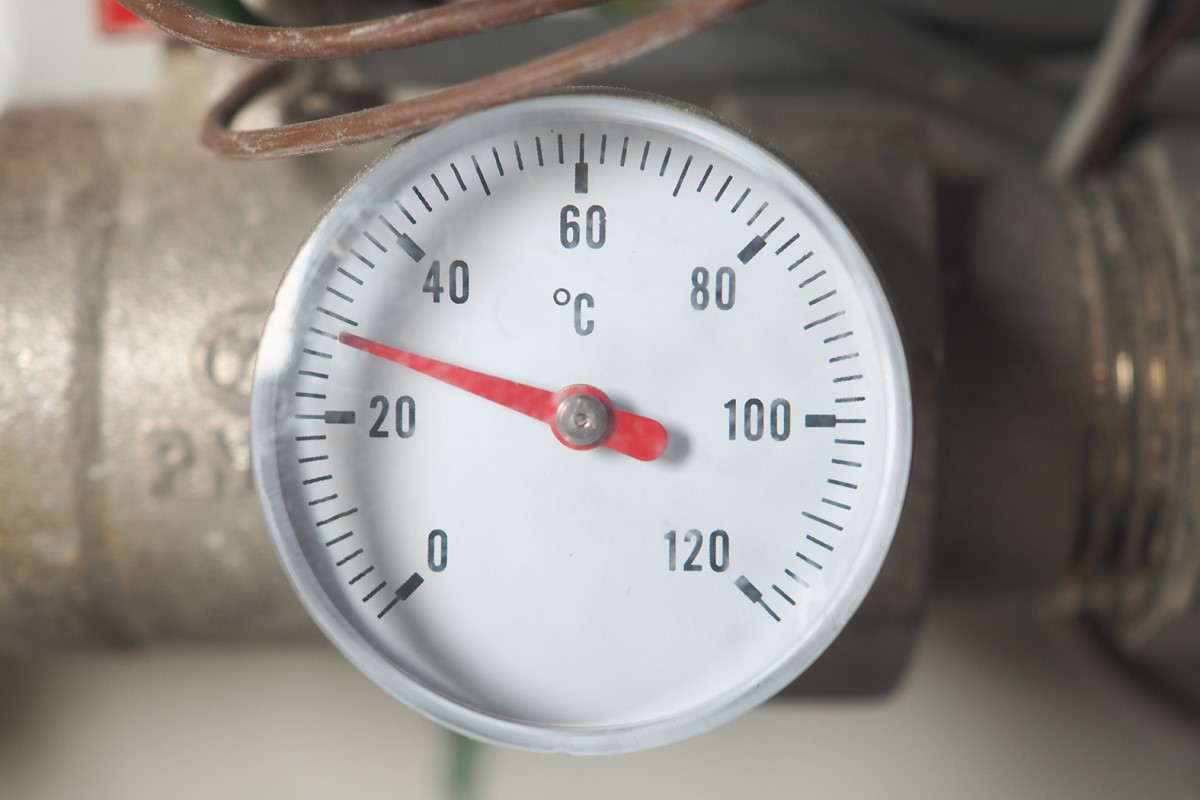
Calibration is what prevents this drift. It's the process of checking whether a temperature-reading device is telling the truth, by comparing it to a verified standard. Without it, measurement becomes just an assumption. And if a measurement is unreliable, everything built on it – quality control, safety checks and regulatory compliance – becomes less reliable [1].
This is why temperature accuracy is not just a technical concern; it's a consumer issue. Because when systems fail, the consequences are not absorbed by the system, they are passed down the chain to the end user [1].
What This Means for Malta
Malta's recent accreditation of the temperature calibration services at the Malta Competition and Consumer Affairs Authority (MCCAA) is not just a technical milestone. It's a quiet but significant step forward in consumer protection [1].
Until recently, many Maltese businesses had to send equipment abroad for accredited calibration. This meant higher costs, logistical challenges, and potential delays, creating gaps and practical barriers to regular checks. With these services now available locally, companies can act more efficiently and maintain their systems with greater ease [1].
For consumers, the result is a stronger and more responsive system, one that supports consistent quality and safety. It may not change what they see but it strengthens what they don't see: the integrity of the systems behind the products they rely on [1].
Trust Built Long Before the Checkout
Most consumers will never think about calibration. Consumer protection is often associated with labels, inspections, or enforcement at the point of sale. But in reality, it starts much earlier. People won't see it, ask for it, or even know when it happens. But they rely on it every single day [1].
They rely on it when they serve food to their family; when they take medicine; and when they assume that what they are buying meets the standards it claims. That trust is not accidental. It is built through systems that work quietly in the background. And sometimes, the difference between safety and risk comes down to something surprisingly simple – whether the temperature you never think about is, in fact, the right one [1].