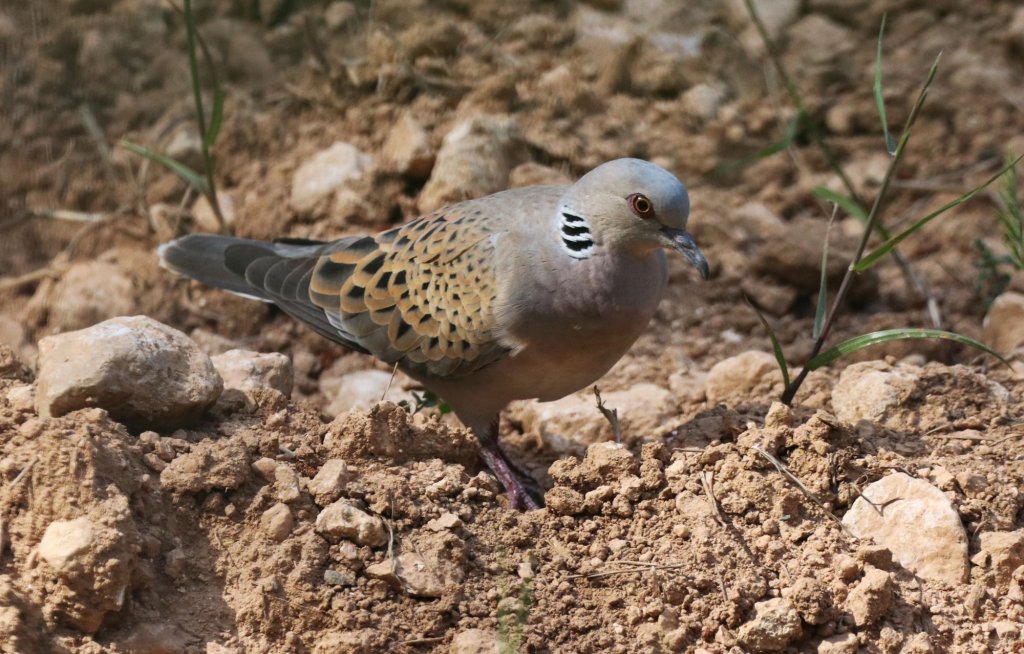
The numbers don't lie, and they're telling a story that BirdLife Malta has been trying to get authorities to listen to for years. Fresh EU data confirms what conservationists have long suspected: European turtle dove populations are in serious decline, and there's simply no scientific justification for Malta to keep its spring hunting season open [1].
The NGO presented its findings based on the latest reporting data collected under Article 12 of the Birds Directive – the EU mechanism that requires member states to report on bird population status and trends. The previous reporting cycle, covering 2013-2018, already showed alarm bells ringing. Now, the new data spanning 2019-2024 paints an even bleaker picture [1].
A Flyway in Freefall
Across the "central-eastern flyway" – the migration route that turtle doves follow – 13 countries reported significant population declines. Romania didn't submit data, while neighbouring Bulgaria reported only a stable trend. But the overwhelming trend is unmistakable: these birds are disappearing [1].
When applied to the mathematical framework that Malta's Wild Birds Regulation Unit uses to justify spring hunting, the figures show population declines exceeding 23% in both short-term and long-term measures [1].
The Convenient Moratorium That Wasn't
Malta introduced a moratorium on spring turtle dove hunting back in 2017, based on conservation concerns. But in 2022 – conveniently during an election year – the government lifted it, a decision that BirdLife Malta argues was driven by electoral rather than scientific considerations. The hunting season has remained open every year since [1].
The problem, according to BirdLife Malta's detailed analysis, is that the island has continued to rely on outdated data and a "flawed" methodology to keep the season justified. The Wild Birds Regulation Unit's approach, the NGO argues, makes selective assumptions about which countries' populations should be considered as a "reference" for the birds passing through Malta [1].
Assumptions That Don't Hold Up
The current framework assumes that ringing locations prove breeding origin, that absence of data means no migration is occurring, that new records indicate new migration routes, and that captive-bred birds behave like wild ones. These assumptions, BirdLife Malta contends, fly in the face of the precautionary principle – the fundamental environmental approach that says when there's scientific uncertainty, you should err on the side of prevention rather than harm [1].
"The latest Article 12 data leaves no room for doubt. The turtle-dove continues to decline across the flyway, and this is the most up-to-date and robust scientific evidence available," BirdLife Malta chief executive Mark Sultana said. "This report vindicates what BirdLife Malta has been long stating at Ornis Committee, in the Law Courts and in communication with government" [1].
A Call for Urgent Action
With another spring hunting season looming, BirdLife Malta is making a clear call: reinstate the moratorium. The NGO is asking for at least a six-year ban – long enough to see the next set of Article 12 data when it's published in 2032 – but ideally until the species shows "clear and demonstrable recovery" [1].
For anyone who cares about our island's natural heritage, the message from Europe's bird populations is loud and clear. The question now is whether Malta's government will listen to the science, or continue down a path that seems more about appeasing hunters than protecting the birds we're supposed to be safeguarding under European law.